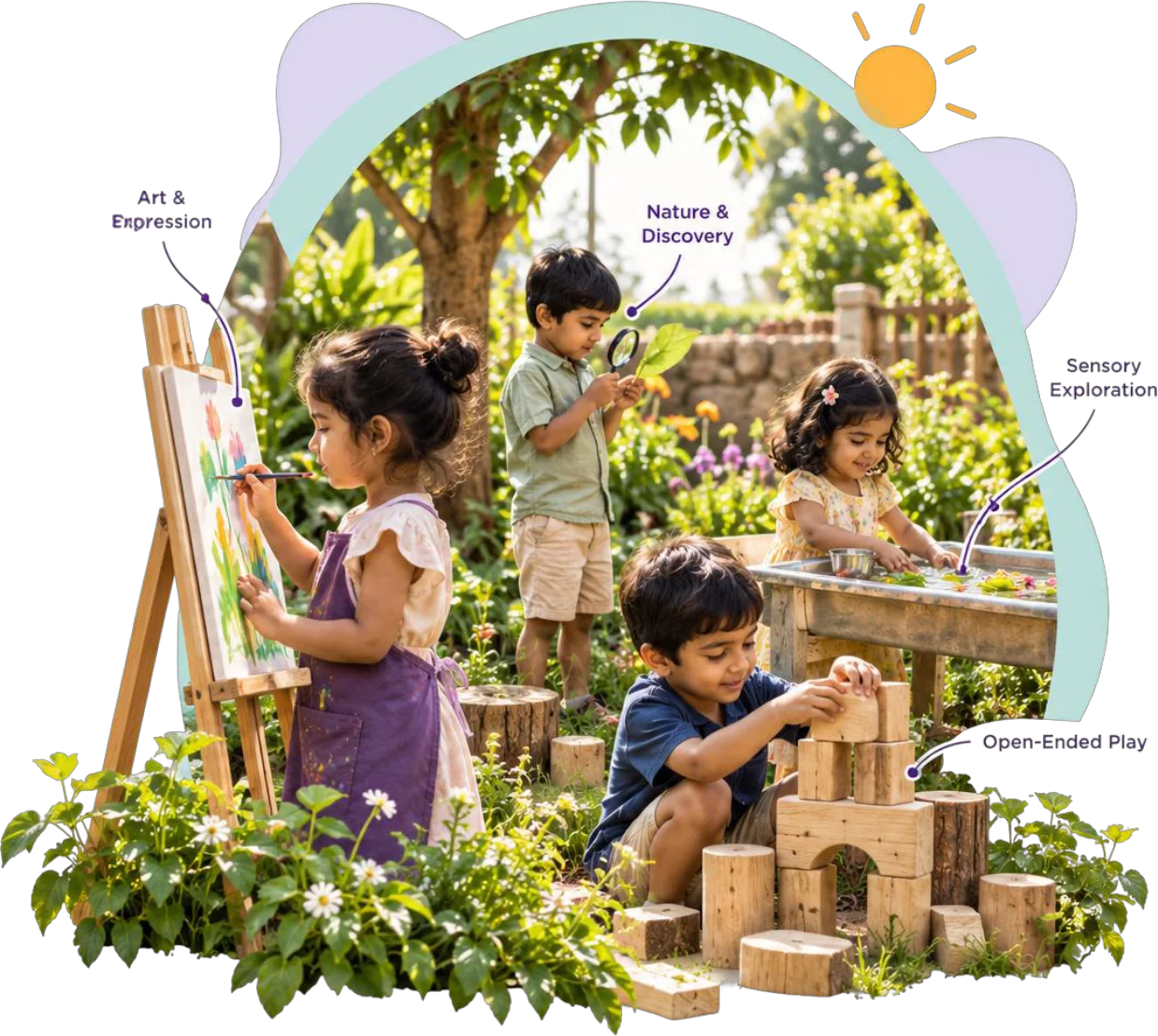
Life at Tots:Where Every Part of the Day Has a Purpose.

At Ananya Tots, the day flows as a series of meaningful experiences, not rigid periods and subjects. It blends planned experiences, spontaneous discoveries and lots of play.
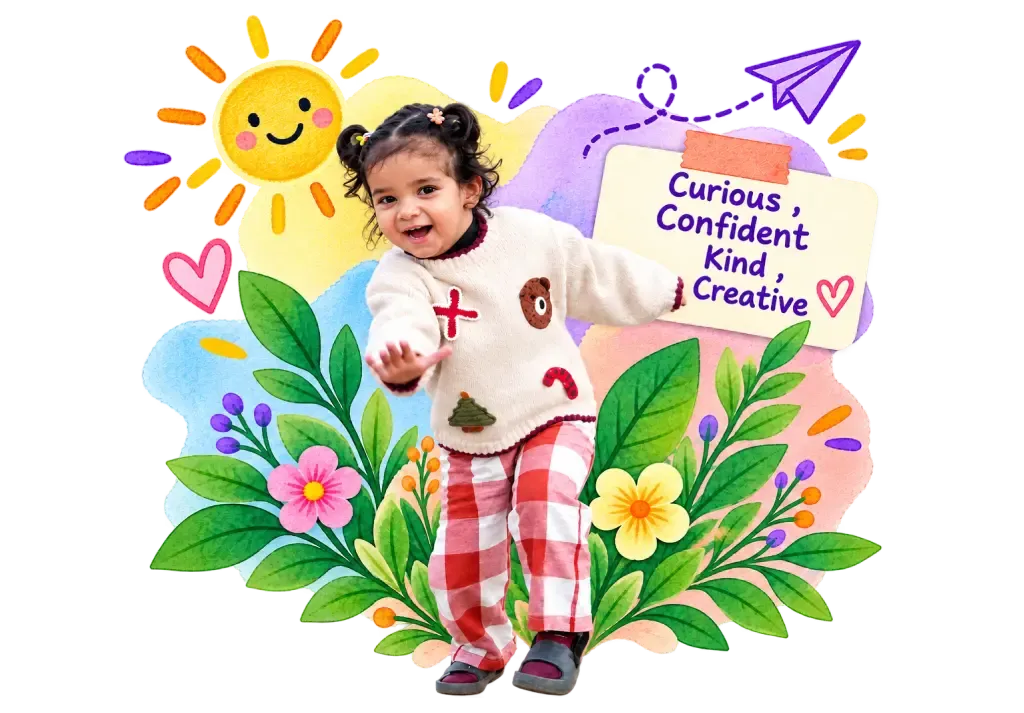

A Day AtAnanya Tots
Every part of the day offers a chance to learn, sometimes through planned experiences, sometimes through spontaneous discoveries, and often through play.
Outdoor Free Play
Circle Time
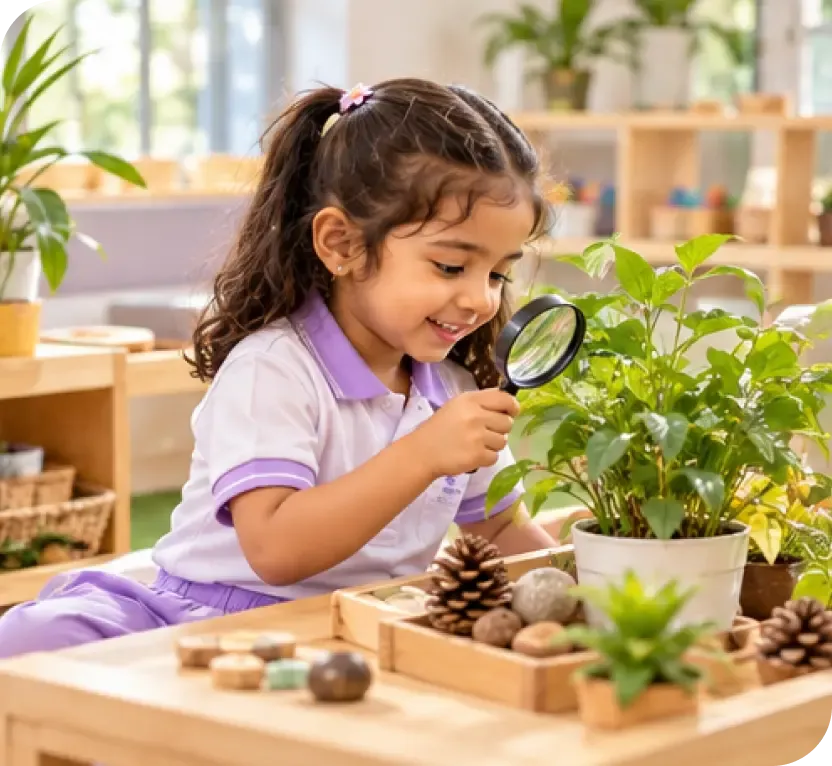
Provocation Tables
Language & Literacy
Mathematical Thinking
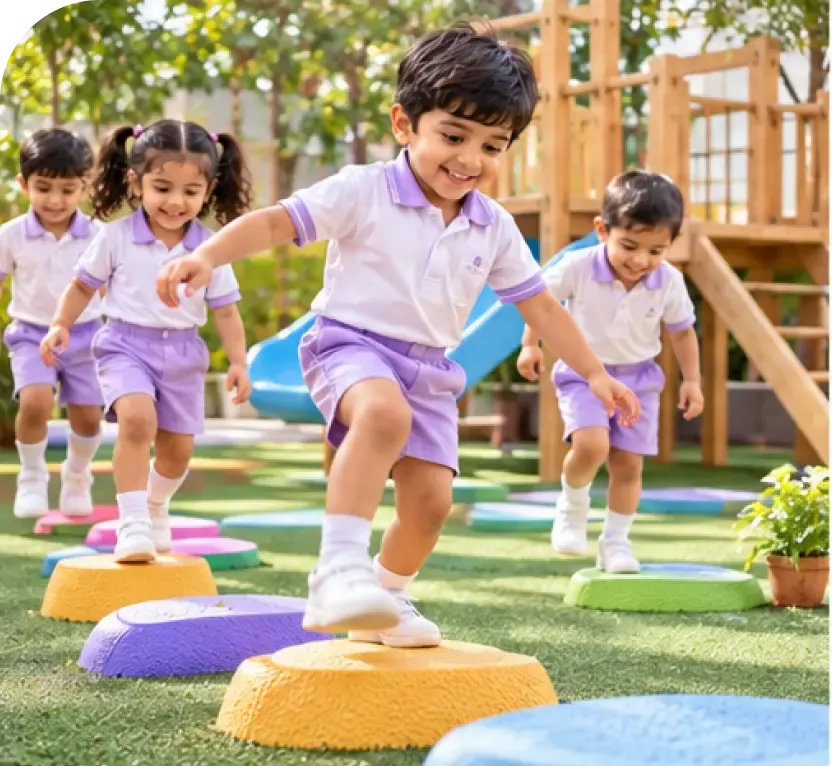
Physical Development
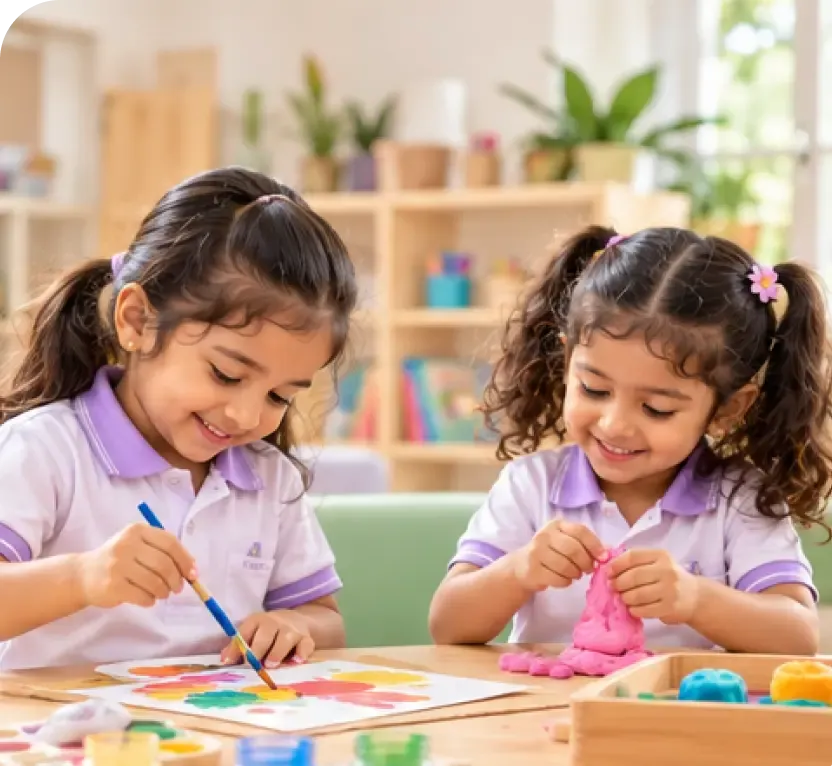
Creative Expression
Personal, Social & Emotional Development
Child Agency& Voice.
Children are active participants in their own learning.
- 01
Choose
Children have real opportunities to make choices, share ideas and express their feelings.
- 02
Be Heard
Educators listen closely to children’s words, actions, interests and questions to shape learning.
- 03
Express
Thinking comes alive through words, drawings, movement, music, construction and pretend play.
Shared Meals.A Sense of Belonging
A Joyful Dining Hall
A warm space where food becomes part of learning and independence.
Life Skills
Children serve themselves, use cutlery, pour water and practise table manners.

Balanced Nutrition
Wholesome, planned platters help children explore tastes and textures at their own pace.
A Happy Relationship With Food
Children leave nourished, confident and well-mannered, and enjoy their food.


Making LearningVisible.
Children’s learning shows up in many ways: a conversation, a drawing, a construction, a question or a new attempt. We don’t just record what children did; we try to understand the thinking behind it.
Observe
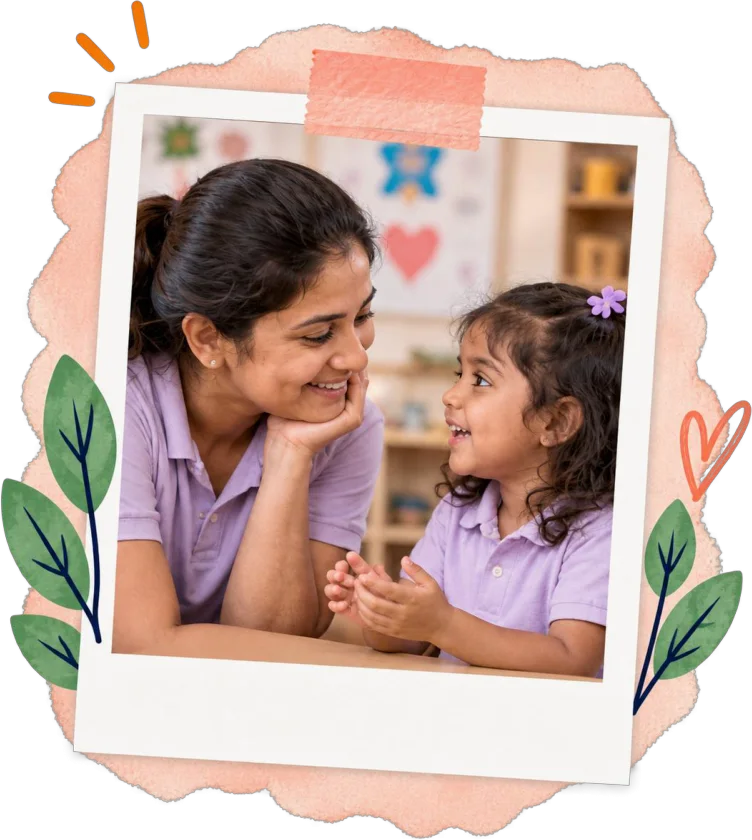
Teachers notice what children are interested in, what they know and how they are thinking.
Document
Photographs, children’s words, work samples, learning stories and teacher reflections.

Respond
Documentation helps teachers plan experiences that follow children’s interests and needs.
Revisit
Children look back at their learning, revisit ideas and see how their thinking has grown.


Our Infrastructure.The Third Teacher.
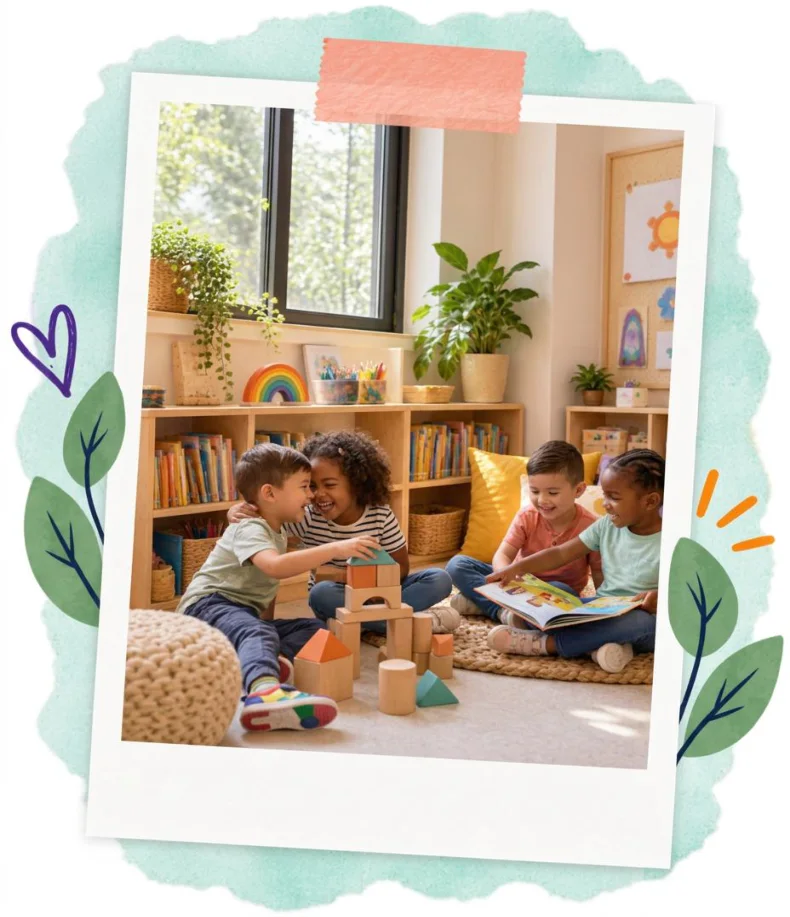
Every space, material and piece of furniture is designed to encourage children to inquire, discover, construct, create and learn independently. Our classrooms are not places where children simply sit; they are inviting spaces built around young children.
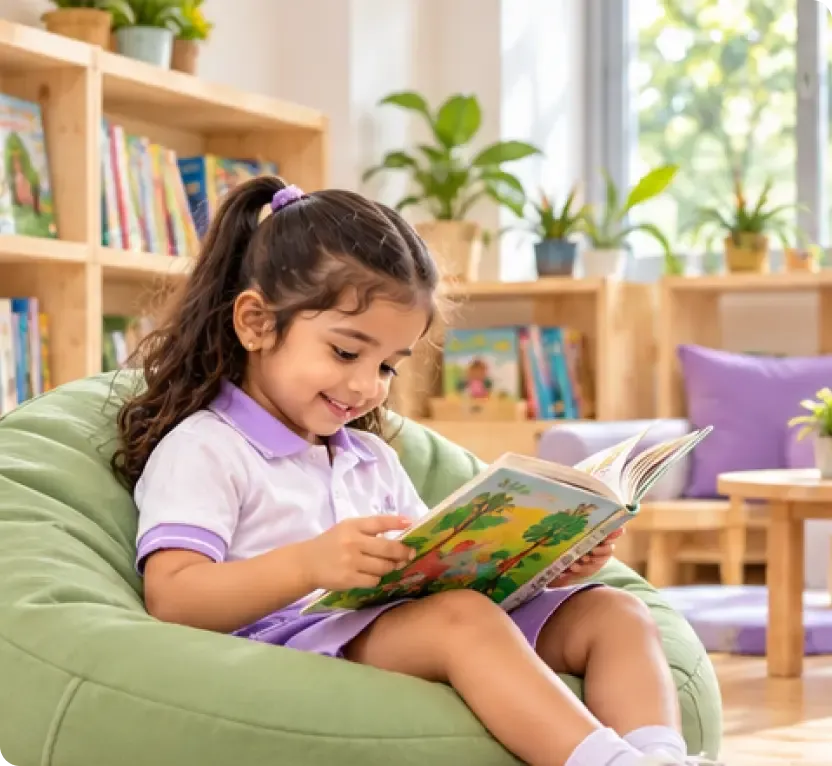
1. Child-Friendly Furniture
Age-appropriate, safe and easy to move and choose from
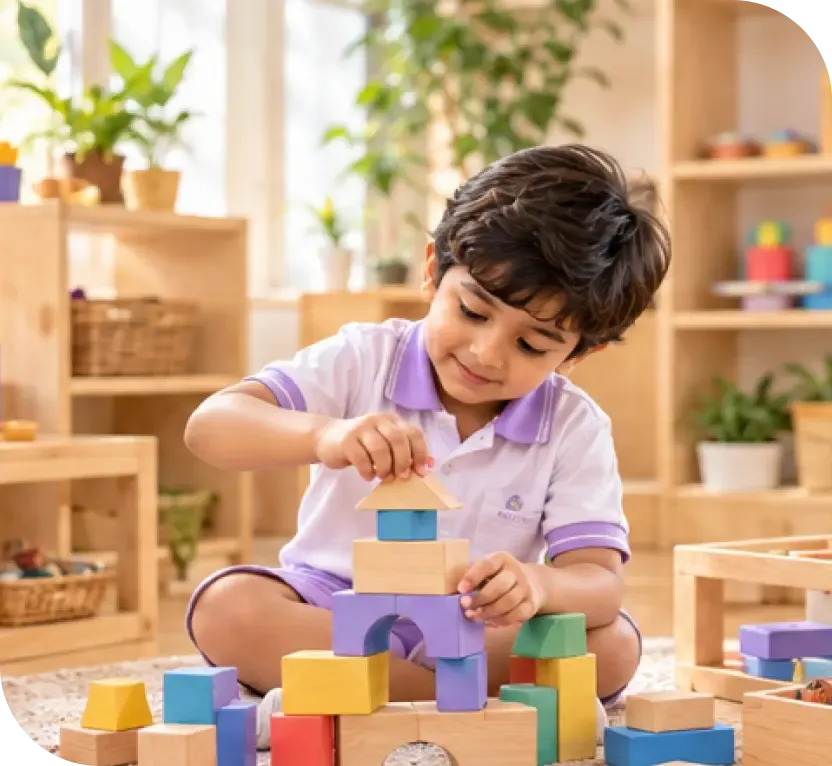
2. Open-Ended Materials
Provocations that invite questions, building and imagination
3. Group Seating
Collaboration, conversation and sharing of ideas
4. Eye-Level Displays
Children revisit their work and feel ownership and pride
5. Calm, Well-Lit Rooms
Soft pastel tones and organised, accessible materials
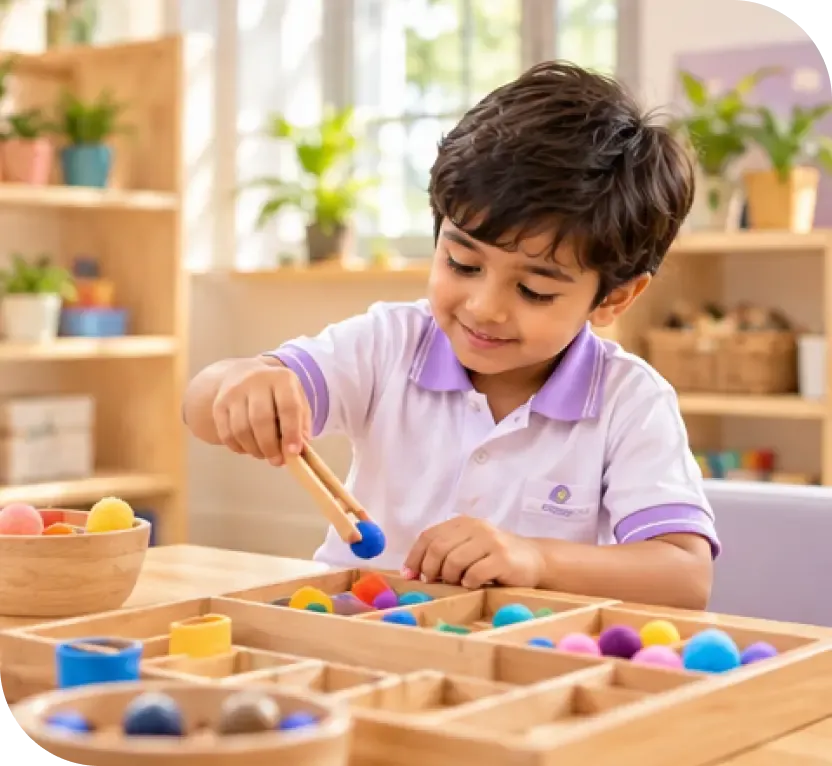
6. Fine & Gross Motor Play
Coordination, confidence and physical development
Learning Throughthe Environment.
Our environment is designed to provoke curiosity rather than give all the answers. Thoughtfully placed materials invite children to touch, question, experiment and revisit, and to develop language, mathematical thinking, problem-solving, creativity and social understanding along the way.
“What can I do here?” “What will happen if…?” “What else can I discover?”